



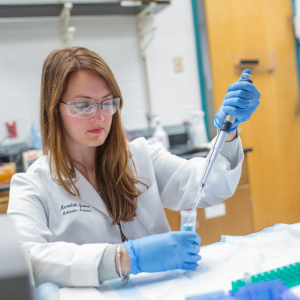

Luda Diatchenko
Associate Professor
Center for Neurosensory Disorders
School of Dentistry
Phone: 919-843-2549
Email
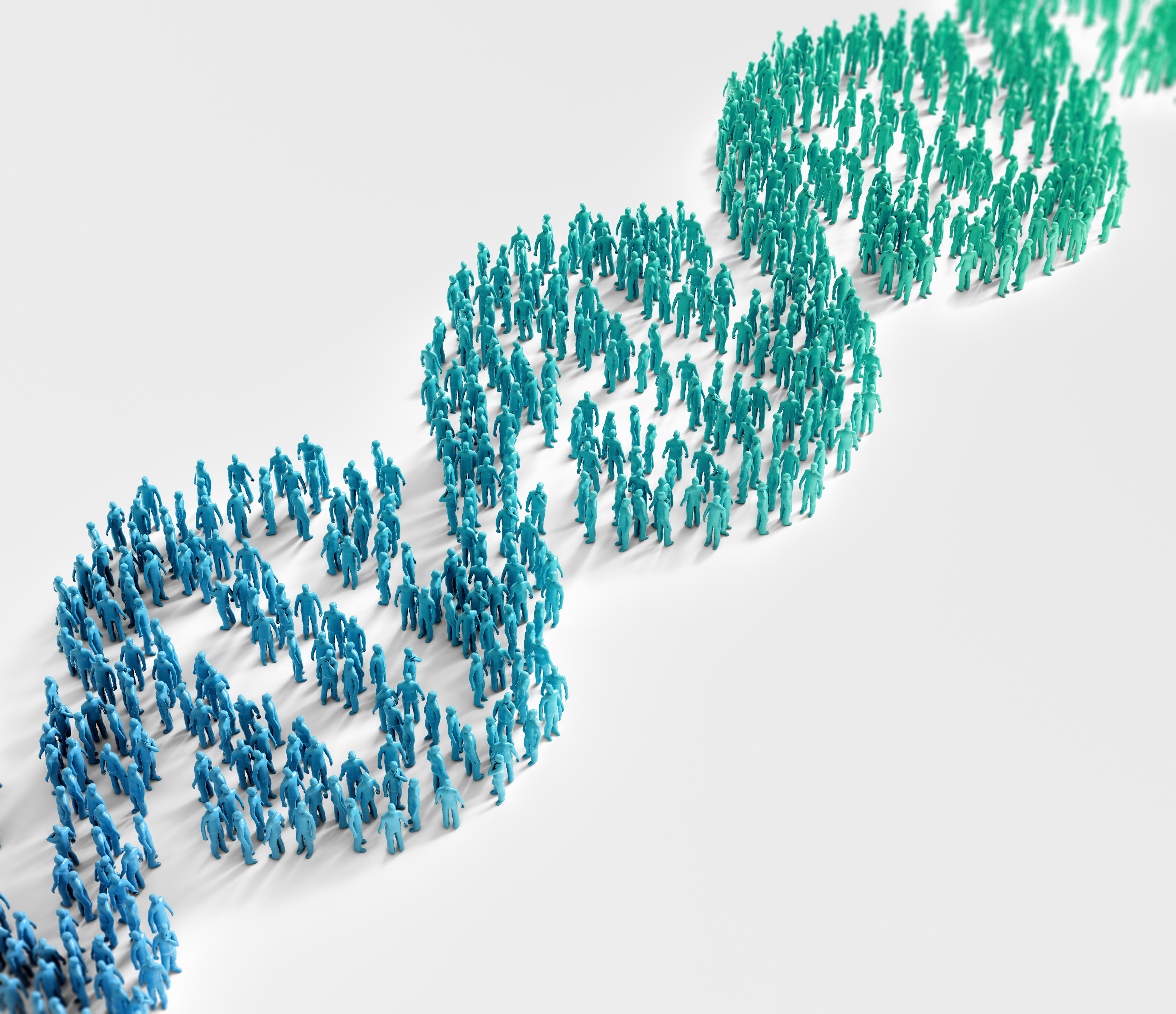
Genetics of Pain
Persistent pain is a part of many common human clinical conditions, yet the current ability to diagnose and manage these conditions is inadequate. Pain perception is one of the most complicated measurable traits, as it is composed of an aggregate of several other measurable phenotypes associated with peripheral and central nervous system dynamics, stress responsiveness, and inflammatory state. It is generally accepted that complex traits, like pain perception, result from the interplay between environmental exposures and multiple genetic variants. However, little is known about the nature of these genetic variants. Because of the established roles of environmental exposures and the commonly held view that pain perception is an unquantifiable “subjective” experience, a genetic basis for pain perception has long been questioned. Recent and rapidly developing discoveries in the field of pain genetics have provided evidence for a substantial role for genetic background on pain perception and clinical pain phenotypes. These findings provide unique opportunities to identify new genetic variants that contribute to pain phenotypes.
The Diatchenko lab investigates the psychological, molecular, cellular, and genetic pathways that mediate both acute and persistent pain states. Their primary goal is to identify the critical elements of human genetic variability contributing to pain sensitivity and pathophysiological pain states that will enable individualized treatments and therapies. Other related research endeavors include molecular hierarchy and evolution of functional SNPs (single-nucleotide polymorphisms), regulation of gene expression underlying molecular pain signaling, development of surrogate animal models of human pain conditions, and clustering of neurological and psychological phenotypes that contribute to human persistent pain conditions. Answering these questions requires collaboration with experts in both clinical and basic biological sciences. Such collaborative activities allow the Diatchenko group to take basic genetic findings all the way from human association studies, through molecular and cellular mechanisms, to animal models, and ultimately to human clinical trials.

Selected Publications
Expansion of the human mu-opioid receptor gene architecture: novel functional variants. Shabalina SA, Zaykin DV, Gris P, Ogurtsov AY, Gauthier J, Shibata K, Tchivileva IE, Belfer I, Mishra B, Kiselycznyk C, Wallace MR, Staud R, Spiridonov NA, Max MB, Goldman D, Fillingim RB, Maixner W, Diatchenko L. Hum Mol Genet. 2009 Mar 15;18(6):1037-51. Epub 2008 Dec 22.
Genetic architecture of human pain perception. Diatchenko L, Nackley AG, Tchivileva IE, Shabalina SA, Maixner W. Trends Genet. 2007 Dec;23(12):605-13. Epub 2007 Nov 26. Review.
Human catechol-O-methyltransferase haplotypes modulate protein expression by altering mRNA secondary structure. Nackley AG, Shabalina SA, Tchivileva IE, Satterfield K, Korchynskyi O, Makarov SS, Maixner W, Diatchenko L. Science. 2006 Dec 22;314(5807):1930-3.
Genetic basis for individual variations in pain perception and the development of a chronic pain condition. Diatchenko L, Slade GD, Nackley AG, Bhalang K, Sigurdsson A, Belfer I, Goldman D, Xu K, Shabalina SA, Shagin D, Max MB, Makarov SS, Maixner W. Hum Mol Genet. 2005 Jan 1;14(1):135-43. Epub 2004 Nov 10.