



Study of human specimen collections in the U.S. offers a first look at their huge diversity
January 28, 2013

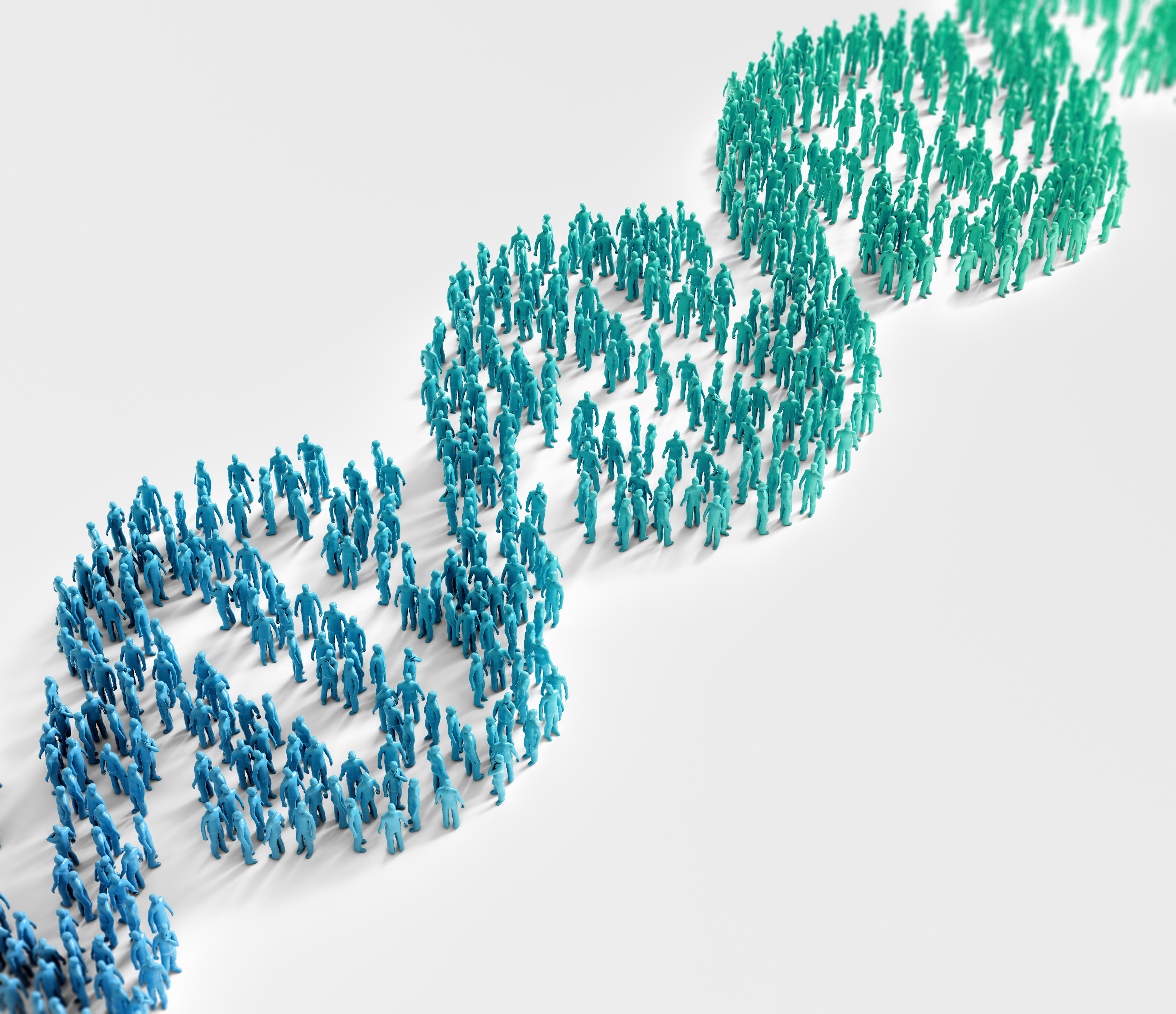
Biobanks are organizations that collect, store and share human specimens (e.g., blood, solid tissues, hair) for research purposes. The rise of the human genome project and of large-scale genetics studies have spurred a dramatic increase in the number of biobanks in the last decade, increasing their importance in biomedical research.

But until now, biobanks in the U.S. have never been studied systematically, leaving few clear details as to how they are run or the policies and practices they use in managing their work.

A new study from the University of North Carolina School of Medicine, published Jan. 25, 2013 in the journal Genome Medicine,  reveals the huge diversity of U.S. biobanks and also raises questions about the best way to manage and govern them.

“Biobanks are increasingly important to scientific advances, but our decentralized, fragmented research enterprise system in the U.S. has encouraged their development without necessarily providing them with the tools to survive,” says study leader Gail Henderson, PhD, professor and chair of social medicine at the UNC School of Medicine. She also heads UNC’s Center for Genomics and Society.

Henderson and colleagues from UNC decided to address this paucity of information by inviting more than 600 biobanks in the U.S. to participate in an online survey.  These included private and public, commercial and noncommercial, and many biobanks affiliated with hospitals and academia. Representatives of 456 U.S. biobanks (72 percent of the list invited) participated in the survey.  Read more


Jim Evans Quoted in two recent NPR stories on genomics

Each strand of DNA is written in a simple language composed of four letters: A, T, C and G. Your code is unique and could be used to find you.
James P. Evans, MD, PhD, Bryson Distinguished Professor of Genetics and Medicine and member of the Carolina Center for Genome Sciences, was quoted on two recent National Public Radio's All Things Considered reports discussing recent high profile papers in Science on the increasing risks associated with genetic information and in the American Journal of Human Genetics on the frequency of genetic mutations in healthy people.


January 17, 2013
Anonymity In Genetic Research Can Be Fleeting- Read or listen to the NPR story

December 7, 2012
Perfection Is Skin Deep: Everyone Has Flawed Genes- Read or listen to the NPR story


Environmental Defense Fund highlights recent work by Ivan Rusyn and Fred Wright
January 10, 2013

http://coe.urologicdisease.med.nyu.edu/files/urology/u6/TC_dish_web.jpgA recent post on the EDF chemical and nanotechnology blog singled out the work of Rusyn and Wright  (Lock et al., 2012) as a key example of the new methods that are needed to meet the challenges faced by the federal government’s new chemical testing initiatives. This work recognizes the need for incorporating genetic diversity by testing the response of 81 distinct human lymphoblast cell lines to 240 different chemical compounds.  The results clearly underscore the need to account for diversity and also demonstrate the feasibility of doing so in a high throughput fashion.


Fernando Pardo Manuel de Villena receives UCRF Innovation Award to develop animal models of cancer genetics
January 9, 2013

http://csbio.unc.edu/CCstatus/Images/header01.pngFernando Pardo Manuel de Villena was recently awarded one of six UCRF Innovation Awards for his project titled “Next Generation Animal Models to Define Cancer Genetics”.  This project capitalizes on two unique UNC resources, the Mouse Phase I Unit (MP1U) and the Collaborative Cross (CC), to study the genetics of basal like breast cancer (BBC).  BBC was selected as the research focus because it has interesting epidemiology, undesirable prognosis, and lacks targeted therapeutics. The genetic diversity represented by the CC will be utilized as a backdrop for the T-Antigen driven murine model (C3TAg) for BBC, which is faithful to human BBC and has been extensively characterized in the MP1U. Forty Recombinant Inbred Backcross (RIB) strains will be monitored for phenotypic variation including tumor latency, multiplicity and histological subtype. Variability in these phenotypes will then be used to map genetic loci associated with these phenotypes. DNA genotyping and RNA expression will be analyzed in tumors from the RIB mice to identify somatic tumor-associated genetic mutations and gene expression patterns associated with the BBC phenotypes.  Together, these results should help to identify genes and pathways associated with BBC development and progression.


Nature Reviews Genetics highlights recent article by CCGS authors Yun Li, Ethan Lange, and Leslie Lange
January 2013

The manuscript, which appears in the Nov 2 2012 issue of American Journal of Human Genetics, was highlighted in Nature Reviews Genetics as a useful strategy for bringing the benefits of sequencing approaches to large-scale studies that should be applicable to a variety of traits.    

The authors applied a two-step approach identify low-frequency variants that contribute to blood cell traits relevant to cardiovascular disease:  First, the authors sequenced the exomes of a reference panel of 761 African Americans to identify previously uncharacterized rare variants. Then, in a much larger sample of more than 13,000 African Americans, they carried out genome-wide SNP array genotyping to characterize common SNPs in these individuals. By using imputation — a statistical method that predicts the genotypes of variants that are not directly genotyped — they were able to assess with greater power the low-frequency variants in these individuals and to test them for association with blood cell traits. Several novel associations were identified: for example, between missense variants in the lactase (LCT) gene and higher counts of white blood cells.

Yun Li is the senior author on the study and Leslie Lange and Ethan Lange are coauthors on the paper.


Karen Mohlke leads new findings in the search for genetic clues to insulin production
December 23, 2012

mohlkeA cutting-edge genomic analysis method has helped researchers track new genetic contributors relevant to diabetes. The results provide a first example that the new tool can help decipher many complex diseases such as obesity and cancer.

In research published online Dec. 23, 2012 in the journal Nature Genetics, scientists have found three new and relatively rare genetic variants that influence insulin production, offering new clues about the genetic factors behind diabetes.

“Studying genetic variants — even rare ones — helps us learn how genes affect health and disease,” said Karen Mohlke, PhD, one of the study’s senior authors and associate professor of genetics at the University of North Carolina School of Medicine.  “In this study, we’ve implicated new genes as playing a role in insulin processing and secretion.”

The study is also the first time genetic insights have been reported using exome array genotyping, a new tool that is less costly than genetic sequencing. This analysis allows scientists to quickly screen DNA samples for known variants in specific genes. It is especially helpful for testing variants that are rare.

“The exome array allowed us to test a large number of individuals — in this case, more than 8,000 people — very efficiently,” said Mohlke. “We expect that this type of analysis will be useful for finding low-frequency variants associated with many complex traits, including obesity or cancer.” 

The study revealed that certain variants of three genes — called TBC1D30, KANK1 and PAM — are associated with abnormal insulin production or processing, even in people without diabetes. The genes may predispose such individuals to developing the disease.

As a next step, the researchers plan to continue to investigate how these genes may lead to diabetes. They also expect the results will inspire other scientists to use exome analysis to look at the genetic factors behind other complex diseases  Read More


Eric Brustad leads study on cytochrome p450 reengineering published in the journal Science
December 20, 2012

brustadThe enzyme cytochrome P450 is nature's premier oxidation catalyst -- a protein that typically promotes reactions that add oxygen atoms to other chemicals.   As co-first author on a recent study published in the journal Science, Eric Brustad and colleagues at Caltech engineered new versions of the enzyme, unlocking its ability to drive a completely different and synthetically useful reaction that does not take place in nature.

The new biocatalysts can be used to make natural products -- such as hormones, pheromones, and insecticides -- as well as pharmaceutical drugs, like antibiotics, in a "greener" way.

Senior author Frances Arnold and her colleagues Pedro Coelho and Eric Brustad noted that this reaction has a lot in common with another reaction that synthetic chemists came up with to create products that incorporate a cyclopropane -- a chemical group containing three carbon atoms arranged in a triangle. Cyclopropanes are a necessary part of many natural-product intermediates and pharmaceuticals, but nature forms them through a complicated series of steps that no chemist would want to replicate.

"Nature has a limited chemical repertoire," Brustad says. "But as chemists, we can create conditions and use reagents and substrates that are not available to the biological world."

Given the similarities between the two reaction systems -- cytochrome P450's natural oxidation reactions and the synthetic chemists' cyclopropanation reaction -- Arnold and her colleagues argued that it might be possible to convince the bacterial cytochrome P450 to create cyclopropane-bearing compounds through this more direct route.  Read more


Dokholyan elected as 2012 American Physical Society Fellow
December 2012

dokholyanDr. Nikolay Dokholyan is a Professor of Biochemistry and Biophysics where his lab studies the physical nature of interactions between atoms, molecules, cells, and organisms. The underlying question throughout their research is how these interactions shape the complex organization, behavior, and evolution of biomolecules and organisms. Dr. Dokholyan has been honored with the distinction of an American Physical Society fellow for using multiscale modeling techniques to advance our understanding of physical interactions within and between biological molecules that yield insights into their complex organization, behavior, and evolution. He has served the community by making his these tools publicly accessible.
The American Physical Society is one of the leading non-profit membership organizations working to advance and diffuse the knowledge of physics through its outstanding research journals, scientific meetings, and education, outreach, advocacy and international activities. All APS members are eligible for nomination and election to Fellowship. The criterion for election is exceptional contributions to the physics enterprise; e.g., outstanding physics research, important applications of physics, leadership in or service to physics, or significant contributions to physics education. Fellowship is a distinct honor signifying recognition by one's professional peers. Dr. Dokholyan's nomination was brought forth from the APS Division of Biological Physics.
Learn more: Dokholyan Lab


Praveen Sethupathy and Yun Li receive UNC Junior Faculty Development Awards
December 2012

SethupathyLi

Congratulations to Praveen Sethupathy and Yun Li, both assistant professors in the Department of Genetics and members of the Carolina Center for Genome Sciences, who were recently awarded junior faculty development awards.  The annual awards are given by the Office of the Executive Vice Chancellor and Provost to support research development for promising junior faculty.  


Terry Magnuson serves as vice-chair of report on California stem cell research
December 6, 2012

UNC scientist serves as vice-chair of report on California stem cell research  Terry Magnuson, Vice Dean for Research and chair of the Department of Genetics at the UNC School of Medicine, and a member of the UNC Lineberger Comprehensive Cancer Center, served as vice-chair of the Institute of Medicine commission on the California Institute of Regenerative Medicine (CIRM), whose report was released on Dec. 6.
The report credits CIRM with establishing California as an international hub for research focused on regenerative medicine. In the seven years since California’s voters approved a $3 billion bond referendum to support research in this area, investigators have produced more than 40 patent applications, three licensing agreements and attracted more than $1 billion in matching research funds.

Dr. Magnuson said that the state’s particular embrace of stem cell research at a time when political controversy had frozen certain aspects of stem cell funding at the federal level shows the value of publically funded state investments in the basic sciences. In addition to the basic research and infrastructure funds, Magnuson pointed to innovative educational programs such as the Bridges Program, a program aimed at encouraging community college students to enter the fields of stem cell research and clinical applications.
Read More.


CCGS faculty are recognized in The Best Doctors in America 2013
December 6, 2012

277 UNC doctors listed in The Best Doctors in America 2013Two hundred seventy-seven (277) UNC Health Care physicians are included in the latest compilation of The Best Doctors in America® database.  In addition, many of these doctors are also listed in the December 2012 issue of Business North Carolina Magazine, as part of its annual compilation North Carolina’s Best Doctors.

Only about 5 percent of physicians in the U.S. are included in the Best Doctors database. The Best Doctors database contains the names and professional affiliations of more than 45,000 doctors in the United States, all chosen through an exhaustive peer-review survey that asks: “If you or a loved one needed a doctor in your specialty, to whom would you refer them?” The peer review process as well as additional research conducted by Best Doctors determines selections for each list.

Among the noted physicians, four CCGS faculty members were recognized in the specialty of Medical Genetics - James P. Evans, Joseph Muenzer (also listed in Pediatric Metabolic Diseases), Art Aylsworth (Pediatric Medical Genetics), and Cynthia Powell.
Read More.


Innocenti recognized with the 2013 Leon I. Goldberg Award
Nov 30, 2012

InnocentiFederico Innocenti, MD, PhD, received the 2013 Leon I. Goldberg Young Investigator Award from the American Society for Clinical Pharmacology and Therapeutics. Innocenti, associate director for oncology research in the UNC Institute for Pharmacogenomics and Individualized Therapy and a member of UNC Lineberger, was recognized for his work in individualizing therapy for cancer patients.

The ASCPT established the Goldberg award to honor young scientists for early career accomplishments in clinical pharmacology. Recipients receive a $1,000 honorarium and are asked to lecture on their work at the organization’s annual meeting.  Read More


Research reveals new understanding of X chromosome inactivation
November 21, 2012

Research reveals new understanding of X chromosome inactivationIn a paper published in the Nov. 21 issue of Cell, a team led by Mauro Calabrese, a postdoctoral fellow at the University of North Carolina in the lab of Terry Magnuson, chair of the department of genetics and member of the UNC Lineberger Comprehensive Cancer Center, broadens the understanding of how cells regulate silencing of the X chromosome in a process known as X-inactivation.

“This is a classic example of a basic research discovery. X-inactivation is a flagship model for understanding how non-coding RNAs orchestrate large-scale control of gene expression. In the simplest terms, we are trying to understand how cells regulate expression of their genes. Our findings are relevant across the board -- by understanding how normal cells function we can apply that knowledge to similar situations in the understanding and treatment of disease,” said Calabrese.

While the manner in which the X chromosome is deactivated has been actively studied for 50 years, the exact mechanisms that regulate the process remain a mystery. Calabrese’s research used high-throughput sequencing to determine the location and activity of chromosomes with far greater accuracy than previous research.
“Basically, this is using the sequencing technology as a high resolution microscope,” said Calabrese. Under a microscope, the inactive X chromosome (Xi) appears as a cloud-like structure, because it is covered with a non-coding RNA known as Xist. In the traditional model of X-inactivation, genes located inside the cloud are completely silenced, with 15 percent of the genes from the inactive X chromosomes escaping to become active.
“The prevailing thought was that genes that escaped X inactivation were pulled out of the core and expressed out there,” said Calabrese.

The work of Calabrese’s team complicates the current model of X-inactivation by finding indications of gene activity inside the Xist cloud and the presence of inactive genes outside the cloud, both of which would not have been thought possible in the prevailing model.  Read More


UNC hosts the ASTAR National Judges Science School
November 18, 2012

http://www.astarcourts.net/publishImages/index%7E%7Eelement37.jpgThe Advanced Science and Technology Adjudication Resource Center (ASTAR) sponsored a National Judges Science School at the Friday Center on November 18-20, 2012.  The topic of this meeting was “The rise of direct to consumer genomic technologies and tests:  a new evidentiary landscape in criminal, civil and family cases”.  UNC organizer Dr. Jim Evans facilitated the program’s objectives of providing sitting judges with a general knowledge base of next generation genomic technologies and resources, the rise of direct to consumer genetic tests, and its evolving impact on the legal system.  This educational program provided an important opportunity for robust discussion of how a variety of scenarios involving genomic information may be handled in the courtroom as these technologies become more affordable and widely available.


Hayes interview by NC Now on lung cancer research
November 12, 2012

Neil Hayes, MD, MPH, talks to North Carolina Now about new research into lung cancer. The interview aired on the show's Nov. 12, 2012 broadcast.

Watch Interview.

Dr. Hayes was also profiled recently here in a LCCC news story.

Related Fox News  and Chapelboro news stories


Upcoming Seminars and Events:

  • February 22, 2013

    CCGS Seminar Series
    “Histone variants, nucleosome dynamics and epigenetics”
    Steven Henikoff, PhD
    HHMI and Basic Sciences Division, Fred Hutchinson Cancer Research Center
    Host: Ian Davis
    Noon, MBRB G202

  • March 7, 2013
  • Carolina Systems Genetics Seminar Series
    “Modeling population exposures in mice: the case of tricholoethylene and Camp Lejeune”
    David Threadgill, PhD
    Professor and Chair of Genetics
    NC State University

  • March 22, 2013- Rescheduled for December 13, 2013

    CCGS Seminar Series
    Steven McCarroll, PhD
    Professor of Genetics, Harvard Medical Center
    Director of Genetics, Stanley Center for Psychiatric Research at the Broad Institute
    Host: Pat Sullivan
    Noon, MBRB G202

  • April 4, 2013

    Carolina Systems Genetics Seminar Series
    “TBA”
    Pat Sullivan, MD
    Professor of Psychiatry & Genetics
    UNC Chapel Hill

  • April 26, 2013

    CCGS Seminar Series
    “A Garden of Forking Paths: Partner Choice and Product Outcome in Meiotic Recombination”
    Micheal Lichten, PhD
    Senior Investigator, Laboratory of Biochemistry and Molecular Biology
    Center for Cancer Research, National Cancer Institute
    Host: Gregory Copenhaver
    Noon, MBRB G202

  • May 2, 2013

    CCGS Spring Symposium
    “From Genome to Proteome: Proteomic Innovations and Technologies at UNC Chapel Hill”
    Preliminary agenda and registration coming soon!


New and Notable Publications from CCGS Colleagues                            
(November 2012 – January 2013):


  • Karen Mohlke

    Allele-Specific Transcriptional Activity at Type 2 Diabetes-Associated Single Nucleotide Polymorphisms in Regions of Pancreatic Islet Open Chromatin at the JAZF1 Locus.
    Fogarty MP, Panhuis TM, Vadlamudi S, Buchkovich ML, Mohlke KL.
    Diabetes. 2013 Jan 17. [Epub ahead of print]

    A comprehensive SNP and indel imputability database.
    Duan Q, Liu EY, Croteau-Chonka DC, Mohlke KL, Li Y.
    Bioinformatics. 2013 Jan 16. [Epub ahead of print]

    Exome array analysis identifies new loci and low-frequency variants influencing insulin processing and secretion.
    Huyghe JR, Jackson AU, Fogarty MP, Buchkovich ML, Stančáková A, Stringham HM, Sim X, Yang L, Fuchsberger C, Cederberg H, Chines PS, Teslovich TM, Romm JM, Ling H, McMullen I, Ingersoll R, Pugh EW, Doheny KF, Neale BM, Daly MJ, Kuusisto J, Scott LJ, Kang HM, Collins FS, Abecasis GR, Watanabe RM, Boehnke M, Laakso M, Mohlke KL.
    Nat Genet. 2013 Feb;45(2):197-201. Epub 2012 Dec 23.

    New loci associated with birth weight identify genetic links between intrauterine growth and adult height and metabolism.
    Horikoshi M, Yaghootkar H, Mook-Kanamori DO, Sovio U, Taal HR, Hennig BJ, Bradfield JP, St Pourcain B, Evans DM, Charoen P, Kaakinen M, Cousminer DL, Lehtimäki T, Kreiner-Møller E, Warrington NM, Bustamante M, Feenstra B, Berry DJ, Thiering E, Pfab T, Barton SJ, Shields BM, Kerkhof M, van Leeuwen EM, Fulford AJ, Kutalik Z, Zhao JH, den Hoed M, Mahajan A, Lindi V, Goh LK, Hottenga JJ, Wu Y, Raitakari OT, Harder MN, Meirhaeghe A, Ntalla I, Salem RM, Jameson KA, Zhou K, Monies DM, Lagou V, Kirin M, Heikkinen J, Adair LS, Alkuraya FS, Al-Odaib A, Amouyel P, Andersson EA, Bennett AJ, Blakemore AI, Buxton JL, Dallongeville J, Das S, de Geus EJ, Estivill X, Flexeder C, Froguel P, Geller F, Godfrey KM, Gottrand F, Groves CJ, Hansen T, Hirschhorn JN, Hofman A, Hollegaard MV, Hougaard DM, Hyppönen E, Inskip HM, Isaacs A, Jørgensen T, Kanaka-Gantenbein C, Kemp JP, Kiess W, Kilpeläinen TO, Klopp N, Knight BA, Kuzawa CW, McMahon G, Newnham JP, Niinikoski H, Oostra BA, Pedersen L, Postma DS, Ring SM, Rivadeneira F, Robertson NR, Sebert S, Simell O, Slowinski T, Tiesler CM, Tönjes A, Vaag A, Viikari JS, Vink JM, Vissing NH, Wareham NJ, Willemsen G, Witte DR, Zhang H, Zhao J; The Meta-Analyses of Glucose- and Insulin-related traits Consortium (MAGIC); Early Growth Genetics (EGG) Consortium, Wilson JF, Stumvoll M, Prentice AM, Meyer BF, Pearson ER, Boreham CA, Cooper C, Gillman MW, Dedoussis GV, Moreno LA, Pedersen O, Saarinen M, Mohlke KL, Boomsma DI, Saw SM, Lakka TA, Körner A, Loos RJ, Ong KK, Vollenweider P, van Duijn CM, Koppelman GH, Hattersley AT, Holloway JW, Hocher B, Heinrich J, Power C, Melbye M, Guxens M, Pennell CE, Bønnelykke K, Bisgaard H, Eriksson JG, Widén E, Hakonarson H, Uitterlinden AG, Pouta A, Lawlor DA, Smith GD, Frayling TM, McCarthy MI, Grant SF, Jaddoe VW, Jarvelin MR, Timpson NJ, Prokopenko I, Freathy RM.
    Nat Genet. 2012 Dec 2. [Epub ahead of print]