




![]() |
|||||||||||||||||
![]() |
|||||||||||||||||
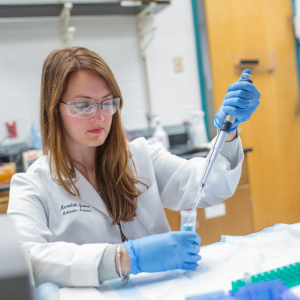
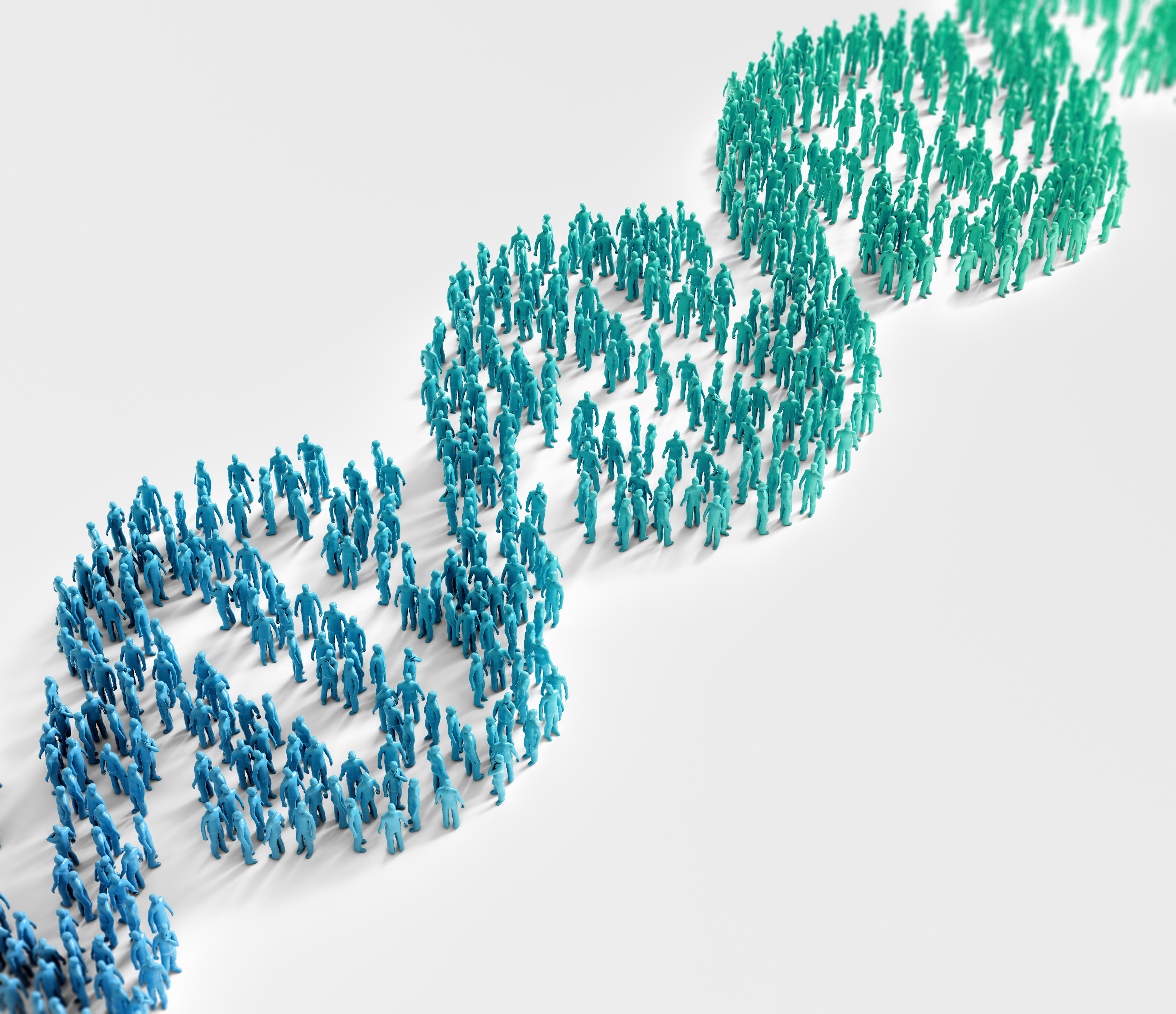
Human carcinomas show great diversity in their morphologies, clinical histories and in their responsiveness to therapy. This wide tumor diversity poses the main challenge for effective treatment of cancer patients. The Perou lab is focused on characterizing the biological diversity of human tumors using genomics, molecular genetics, and cell biology to develop improved therapies that are specific for each tumor subtype. Their genomic characterization of human breast tumors has identified at least five biologically distinct subtypes that are predictive of relapse, overall survival times, and responsiveness to chemotherapy. In addition to breast carcinomas, they are also studying head and neck squamous cell carcinomas, lung carcinomas, glioblastomas, and ovarian carcinomas. Concurrent with the lab’s tumor profiling studies are animal-model and cell-line projects aimed at determining the molecular function of genes that define tumor subtypes. For example, they have shown that GATA3 is somatically mutated in some ER-positive breast tumors. The conditional knock-out of GATA3 in mouse mammary tissue greatly inhibits mammary gland development and causes a complete loss of luminal/ER+ epithelial cell formation. Mouse model studies are also focused on “humanizing” existing models by engineering combinations of various genetic alterations seen in human tumors, with the ultimate goal of using these models to test new therapeutics. A final project in the lab is centered on the integration of genomics and epidemiology. Using the population-based Carolina Breast Cancer Study, they recently found that basal-like tumors were twice as frequent in young African Americans relative to Caucasians. In addition, their analyses of epidemiological variables show that the risk-factor profile for basal-like tumor patients is different from that of luminal/ER+ patients.The Perou group is actively seeking new graduate students, medical fellows, and postdocs to take advantage of research opportunities available using genomics, genetics, molecular and cellular biology, computational biology and human population genetics. Selected References: Hoadley KA, Weigman VJ, Fan C, Sawyer LR, He X, Troester MA, Sartor CI, Rieger-House T, Bernard PS, Carey LA, Perou CM. (2007) EGFR associated expression profiles vary with breast tumor subtype. BMC Genomics 8(1):258. Millikan RC, Newman B, Tse CK, Moorman PG, Conway K, Smith LV, Labbok MH, Geradts J, Bensen JT, Jackson S, Nyante S, Livasy C, Carey L, Earp HS, Perou CM. (2007) Epidemiology of basal-like breast cancer. Breast Cancer Res Treat. Jun 20; [Epub ahead of print]. Herschkowitz JI, Simin K, Weigman VJ, Mikaelian I, Usary J, Hu Z, Rasmussen KE, Jones LP, Assefnia S, Chandrasekharan S, Backlund MG, Yin Y, Khramtsov AI, Bastein R, Quackenbush J, Glazer RI, Brown PH, Green JE, Kopelovich L, Furth PA, Palazzo JP, Olopade OI, Bernard PS, Churchill GA, Van Dyke T, Perou CM. (2007) Identification of conserved gene expression features between murine mammary carcinoma models and human breast tumors. Genome Biol. 2007;8(5):R76. Carey LA, Perou CM, Livasy CA, Dressler LG, Cowan D, Conway K, Karaca G, Troester MA, Tse CK, Edmiston S, Deming SL, Geradts J, Cheang MC, Nielsen TO, Moorman PG, Earp HS, Millikan RC. (2006) Race, breast cancer subtypes, and survival in the Carolina Breast Cancer Study. JAMA Jun 7;295(21):2492-502. Troester MA, Herschkowitz JI, Oh DS, He X, Hoadley KA, Barbier CS, Perou CM. (2006) Gene expression patterns associated with p53 status in breast cancer. BMC Cancer 6:276. Fan C, Oh DS, Wessels L, Weigelt B, Nuyten DS, Nobel AB, van't Veer LJ, Perou CM. (2006) Concordance among gene-expression-based predictors for breast cancer. N Engl J Med 355:560-9. Oh DS, Troester MA, Usary J, Hu Z, He X, Fan C, Wu J, Carey LA, Perou CM. (2006) Estrogen-regulated genes predict survival in hormone receptor-positive breast cancers. J Clin Oncol 24:1656-64. |
|||||||||||||||||
contact information: [phone] [email] [website]
|
|||||||||||||||||
![]() |
|||||||||||||||||
![]() |
|||||||||||||||||